Morocco bound? Head for the souks and find the spices to recreate the regions’ dishes in the afterglow of a Moroccan holiday.

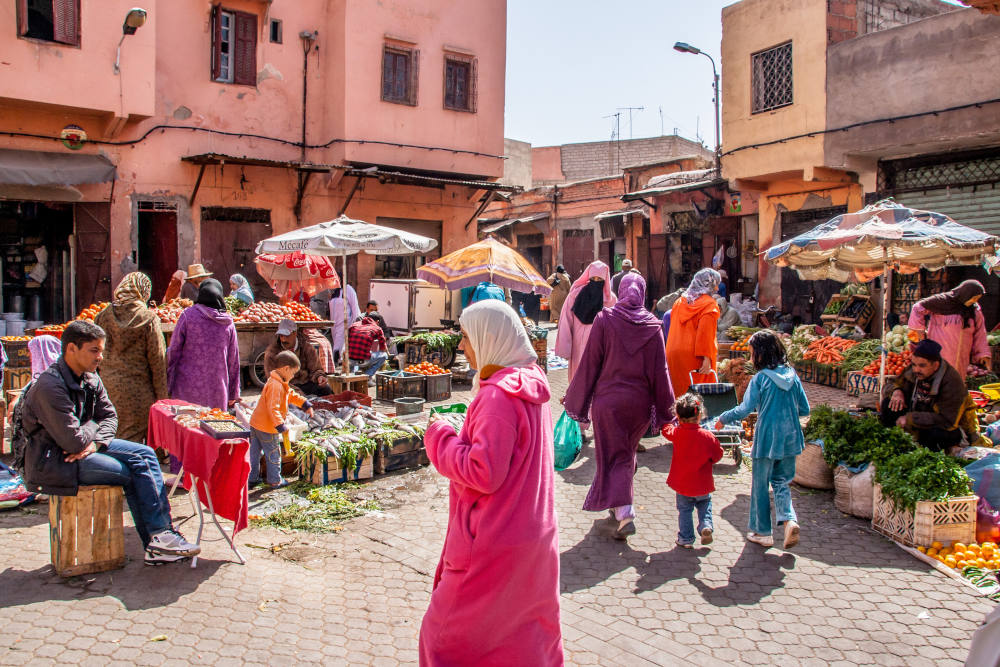
Wandering through the souks or bazaars of the cities and towns of Morocco (which are always buzzing with shopping excitement and are immaculate and clean) you are drawn to stalls that shine with colour and before the aroma hits you it’s the feast for the eyes that is the first introduction of Morocco’s wonderful, flavoursome dishes. Spices abound with hundreds of years of history beneath the stacked bags of herbs and spices. Originally they crossed from China, Asia Minor and were introduced by the various conquerers from faraway lands who introduced their cuisines and indeed their flavours to Morocco – where Morocco took them and added its own twists, seasonal product and geographical location to suit the many dishes.
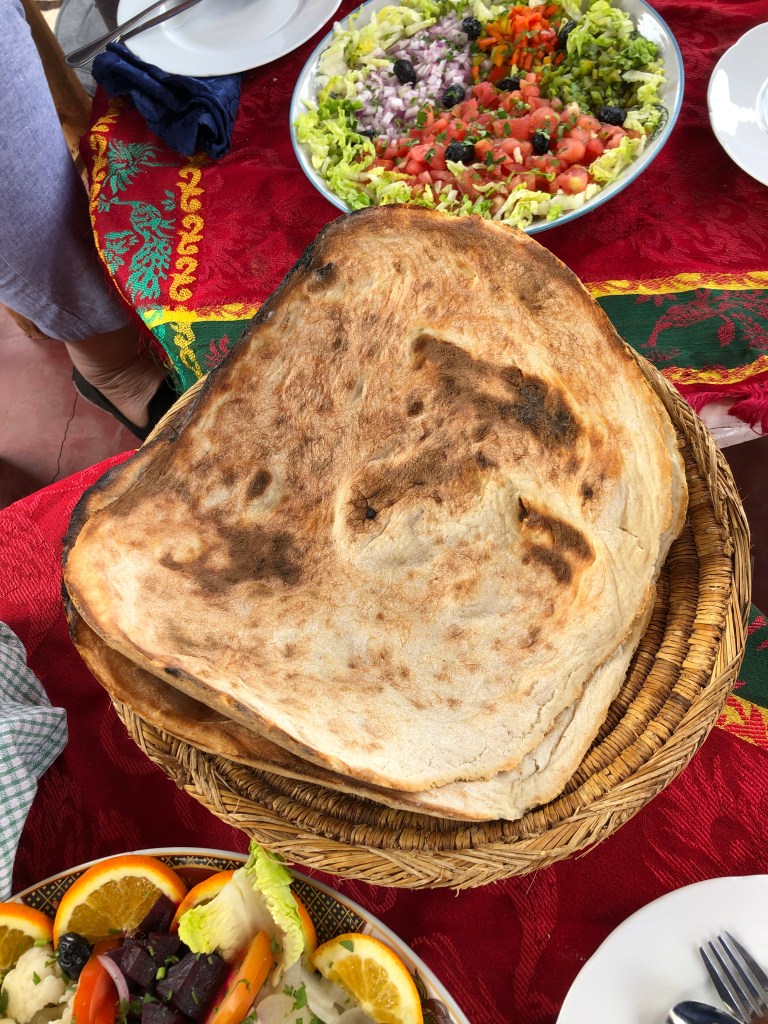
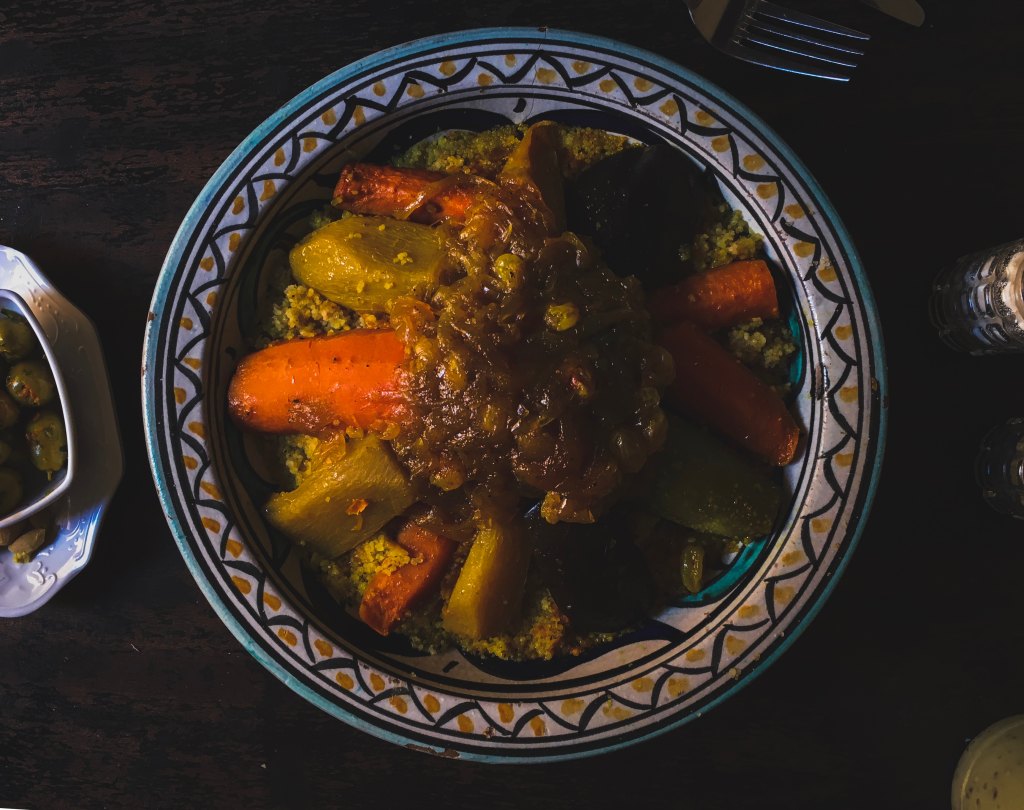
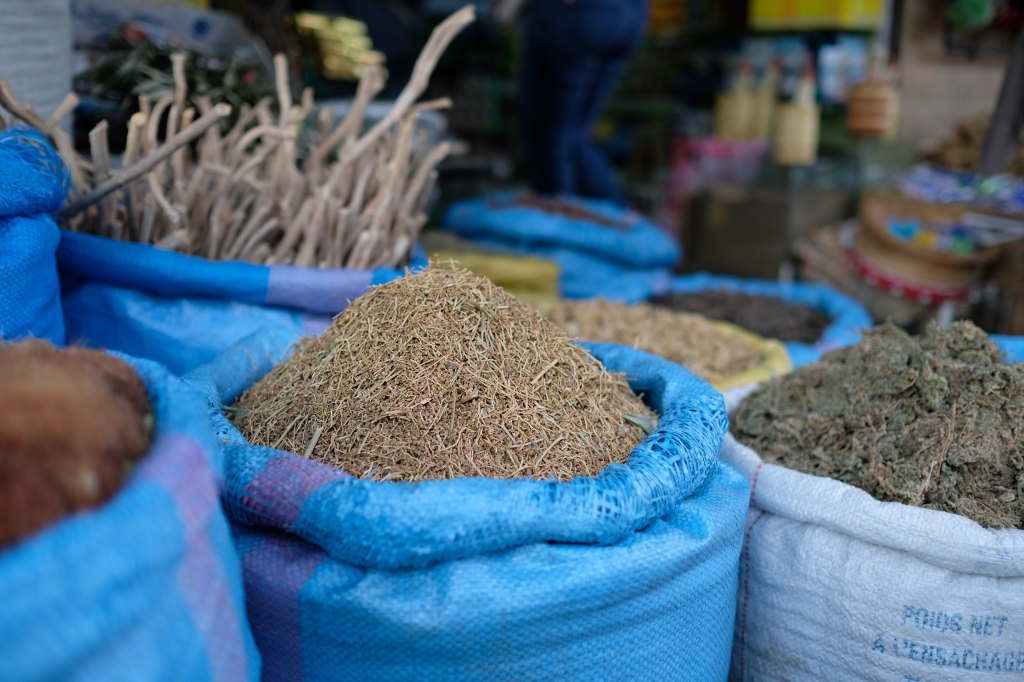
There is an exciting range of spices used to flavour the span of authentic Moroccan dishes, all of which you will find in abundance in the spice markets. In the souks you will spy brilliantly coloured spices, petals, bark and leaves piled on high.
A wander around the spice stalls in the souks is an essential part of your trip to Morocco. You’ll come away with wonderful memories of the aromas, pictures displaying the brilliant colours and gifts to take home of the best of the spices.
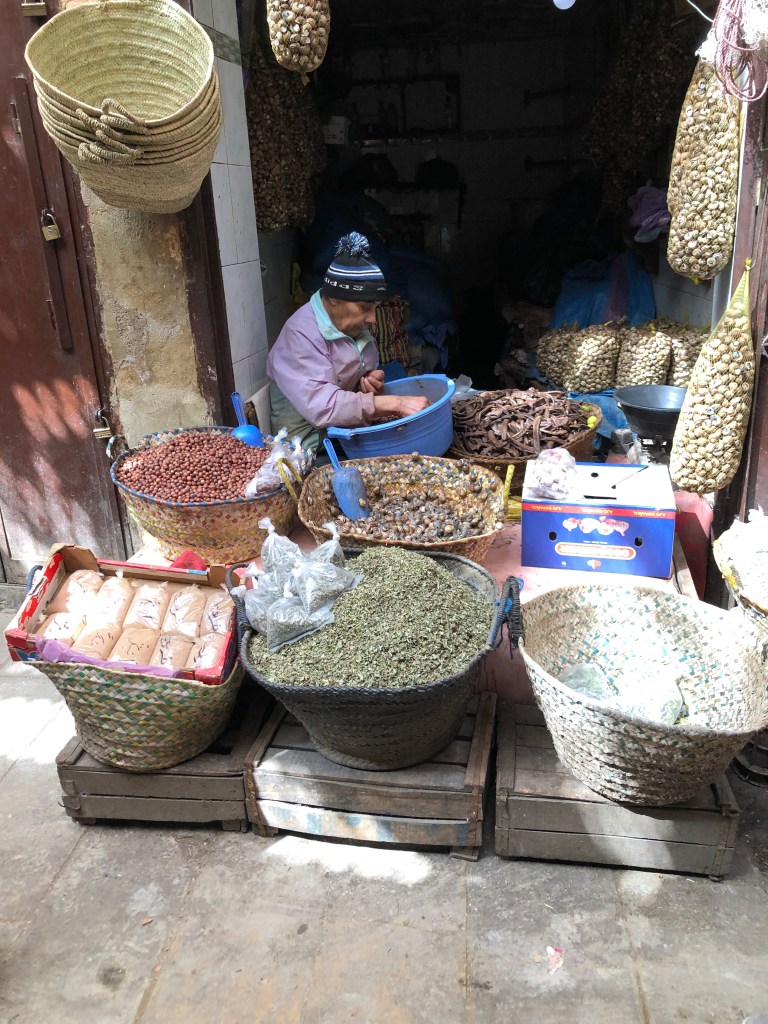
The four basic spices used in Moroccan cooking are cumin, black pepper, ginger and turmeric. Other common spices found in many dishes are saffron, paprika, cayenne, chilli (harissa), cinnamon, and sometimes white pepper. There are also some special blends of spices that are used extensively in Moroccan cooking.
Morocco has acquired an array of spices from Europe, the Middle East and Asia, as well as having its own spice trade.
Ras El Hanout
Ras El Hanout (translated as ‘head of the shop’) is a vibrant spice blend made from many spices. Its name infers only the best spices are used in the blend, traditionally handed down through generations. Some blends have as many as 35 different spices in them, but commonly Ras El Hanout includes paprika, cardamom, cumin, clove, cinnamon, coriander, nutmeg, aniseed, dried ginger, peppercorn and turmeric. Whole spices, dried roots and leaves are ground together.
The spice blend is mostly used as a rub for meats or in a marinade, but is also sometimes added to soups and stews. This is a great spice to take home for the barbecue.

Saffron is a prized cooking spice and a natural medicinal ingredient. It is cultivated in the Siroua mountains of southern Morocco from the stamens of the crocus plant. It’s value per gram is greater than gold
Often used in tajines to give a nice colour and flavour to meat and vegetables, it is also used in desserts, milk puddings and teas.
Saffron is expensive to buy all over the world, but is much more affordable in Morocco. It’s well worth stocking up on some threads to take home. Beware, as with other countries, there are four types of counterfeit saffron in the tourist shops.
 Travelgal on the move
Leave a comment