Early 80s and I’m hanging in town with two of my gals – Sigi and Claudia. I’ve been staying at their flat in Munich for a while, coming and going to various places in Europe and landing back here, my base and sleeping in a rather cosy cupboard – just fits a double matress, wall to wall. Cosy indeed.
Claudia is a teacher and has just landed a teaching gig at a school in Burghausen, an enticing, architecturally rich historic town in Upper Bavaria, Germany. So, I was invited to her new workplce for a visit. She lived in the Old Town and her ‘charming’ apartment was on the third floor up, in a building that had never heard of lifts. I dragged a very full backpack up the ‘charming’ spiral timber staircase. The joys of old European buildings.
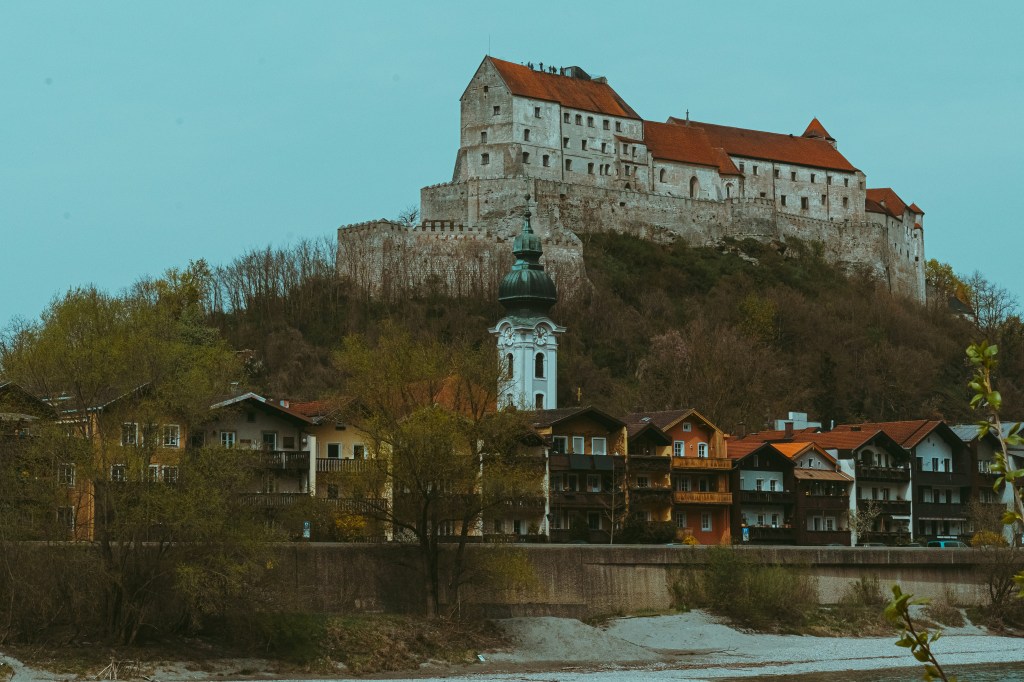
This is a beautifully preserved (and lived in) largest town in the Altotting district of Upper Bavaria in Germany – and it sits on the Salzach river, near the border of Austria. ( A border on the river that my firend and I tipsily – drunkenly to be precise – crossed every night and came back again to the annoyance of the barrier guards – I think they liked it as midnight was a lonely and boring time for them.)
The river is the natural border between Austria and Germany and was once the carrier for the vital salt trade route – true medieaval white gold when salt was the petroleum, crude oil or gas of the Middle Ages.
The town sits at a special geographical position at the junction of several different landscapes. The gentle hills of the Bavarian uplands lie to the north, while the foothills of the Alps rise to the south rproviding a backdrop for the main event here – the famous Burghausen castle.
The castle hill was originally settled as early as the Bronze age and the castle founded in 1025. Over the next couple of centuries the Dukes of Bavaria expanded it and extended the fortifications around the entire hill. Duke Henry XVI sent his wife to stay there, a practise that continued with the sons and grandsons so the castle became essentially a home (or refuge) for rejected wives and consorts.
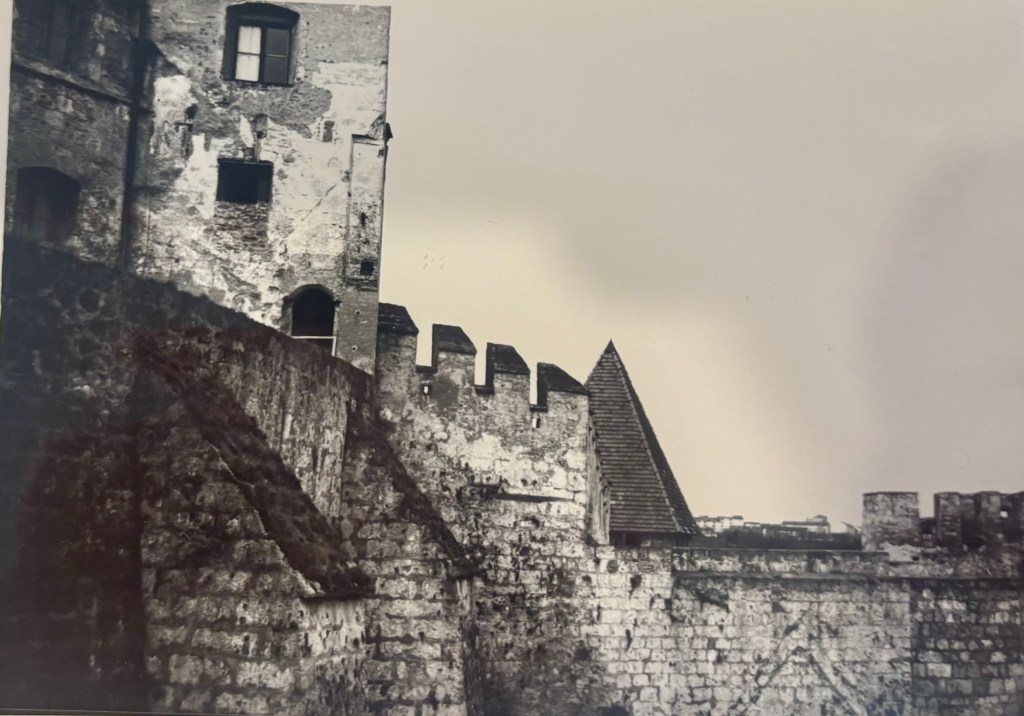
In 1778 the castle became a border castle with Austria and later in the 1800s, the outer walls were torn down by the French and lost its usefulness for defence under Napoleon.
There were renovations carried out in the 19th and 20th century, along with privatisation, and that’s what we see today.
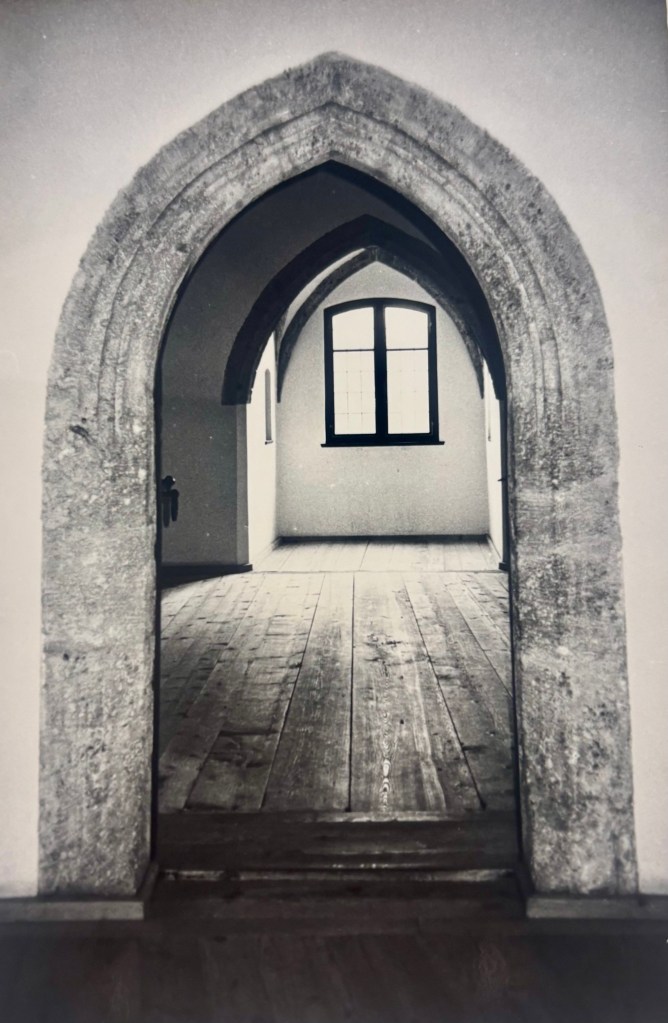
Burghausen Castle is the ‘longest ‘ castle in the world. it spreads for more than a kilometre long from end to end. The castle includes five courtyards in a row and on one side it overlooks the Salzach river.
The main attraction in the castle is the little, late Gothic church called Hedwig’s Chapel (1479-1489). There are art galleries and exhibition space (photography) in some of the courtyards and in the second courtyard is a rather grim, rough stone building with barred windows which dated from 1427, originally used as an armory with a grain store on the upper floors.
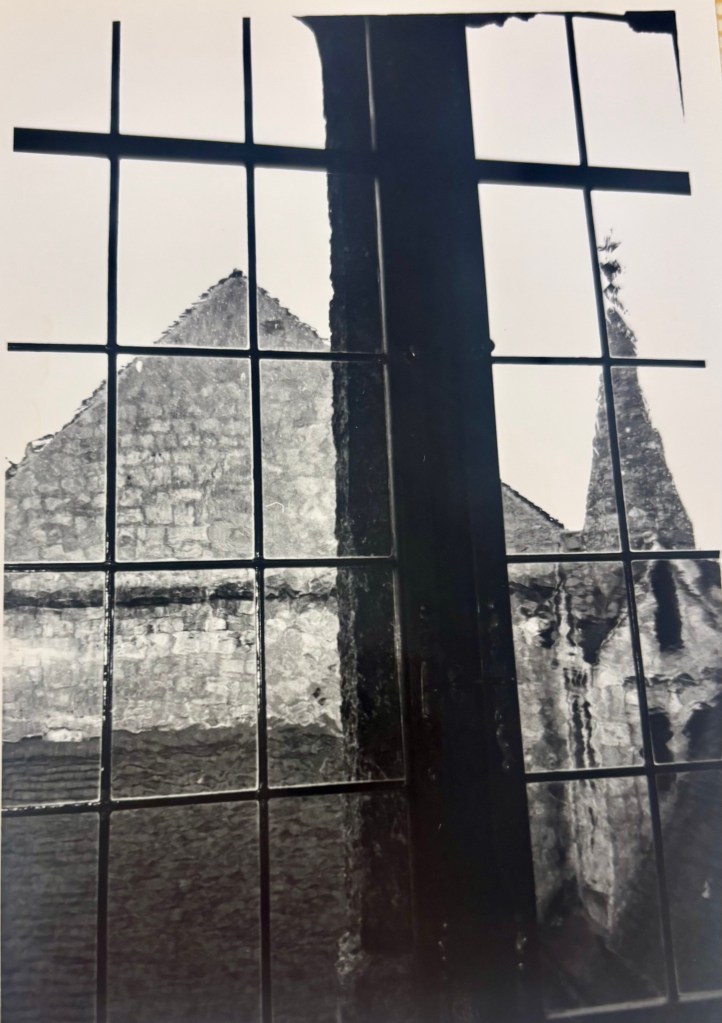
You can spend half a day wandering theough the various courtyards and open floors of the castle. Wonderful views of the river on one side and the town on the other can be glimpsed by some remaining windows with centuries old glass panes still intact.
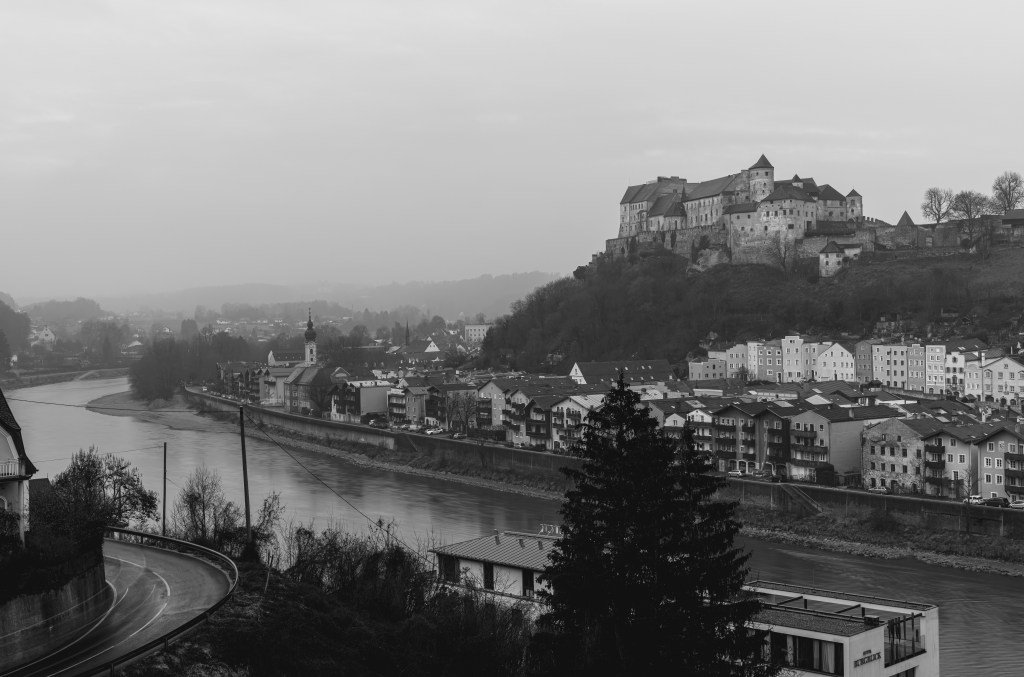
The Town
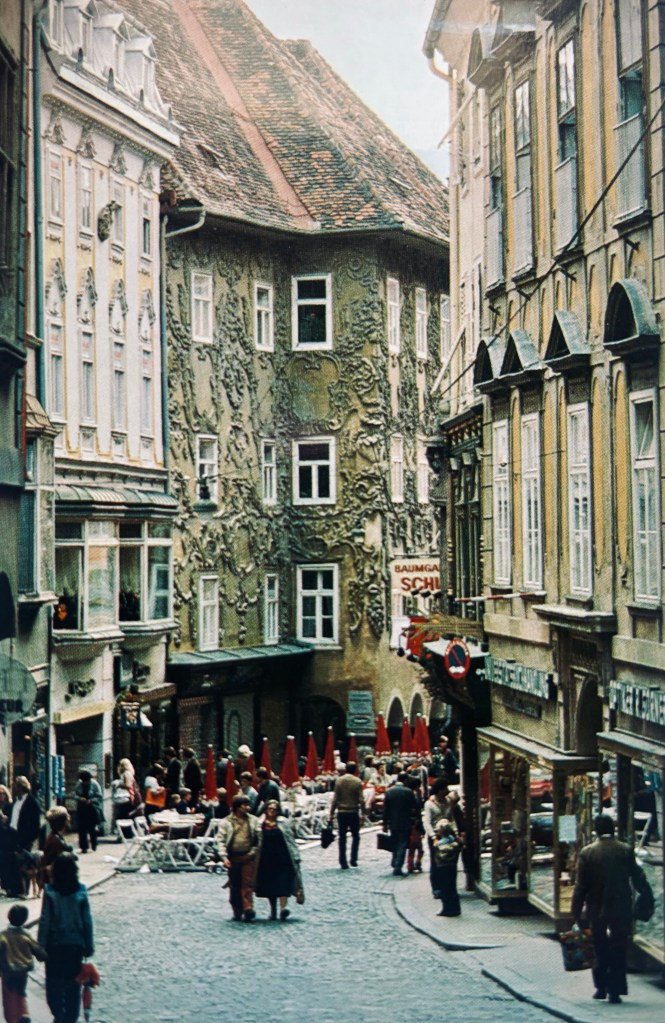
The Old Centre of the town extends along the river. The town declined over centuries but got a new lease of life when a chemical company opened production in Burghausen (the new town above the old) in the early 20th century.
Currently the buildings are painted in pretty pastel colours with traditional ornamentation along the roof, windows and doorways in white.
Castles, castles, castles, so many, so little time. But this one I recommend for a visit, an overnight stay in town and a quick trip actoss the border.
If you fancy a visit there:
Burghausen Castle has parking nearby. Take a train to Burghauen station from Munich and then take a bus to the castle. Museum open daily April-September 9a.-6pm; October -March 10am-4pm. The grounds are always open. Admission Five Euros, children free.


Leave a comment